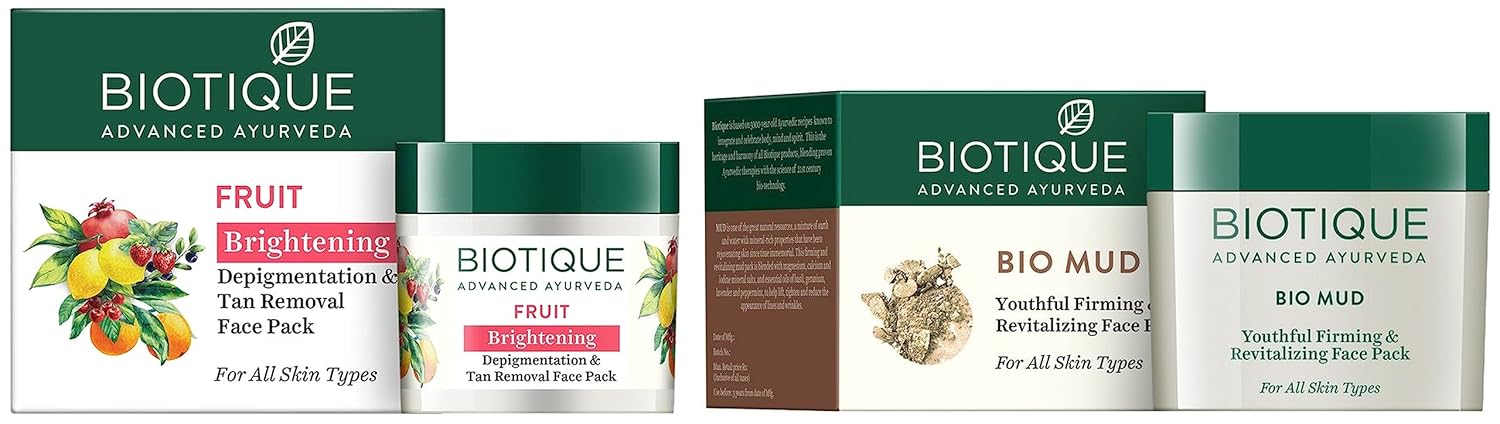
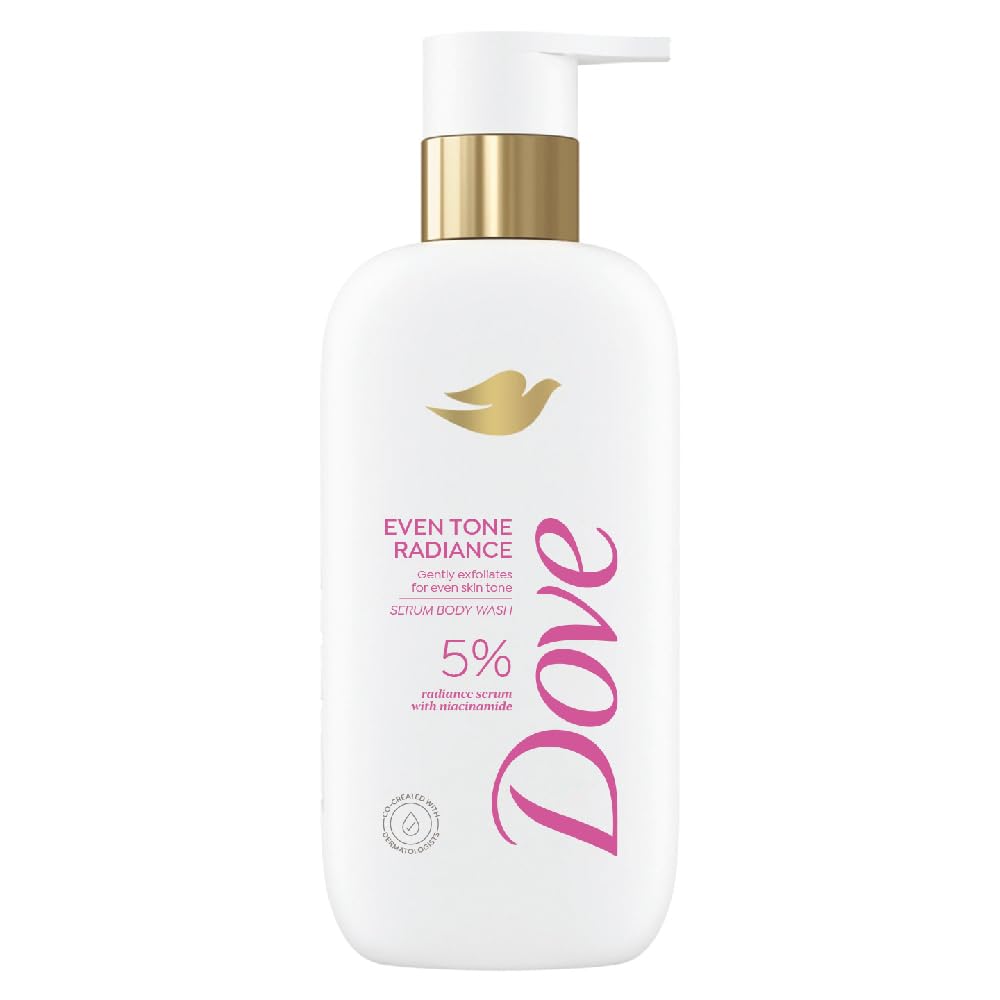
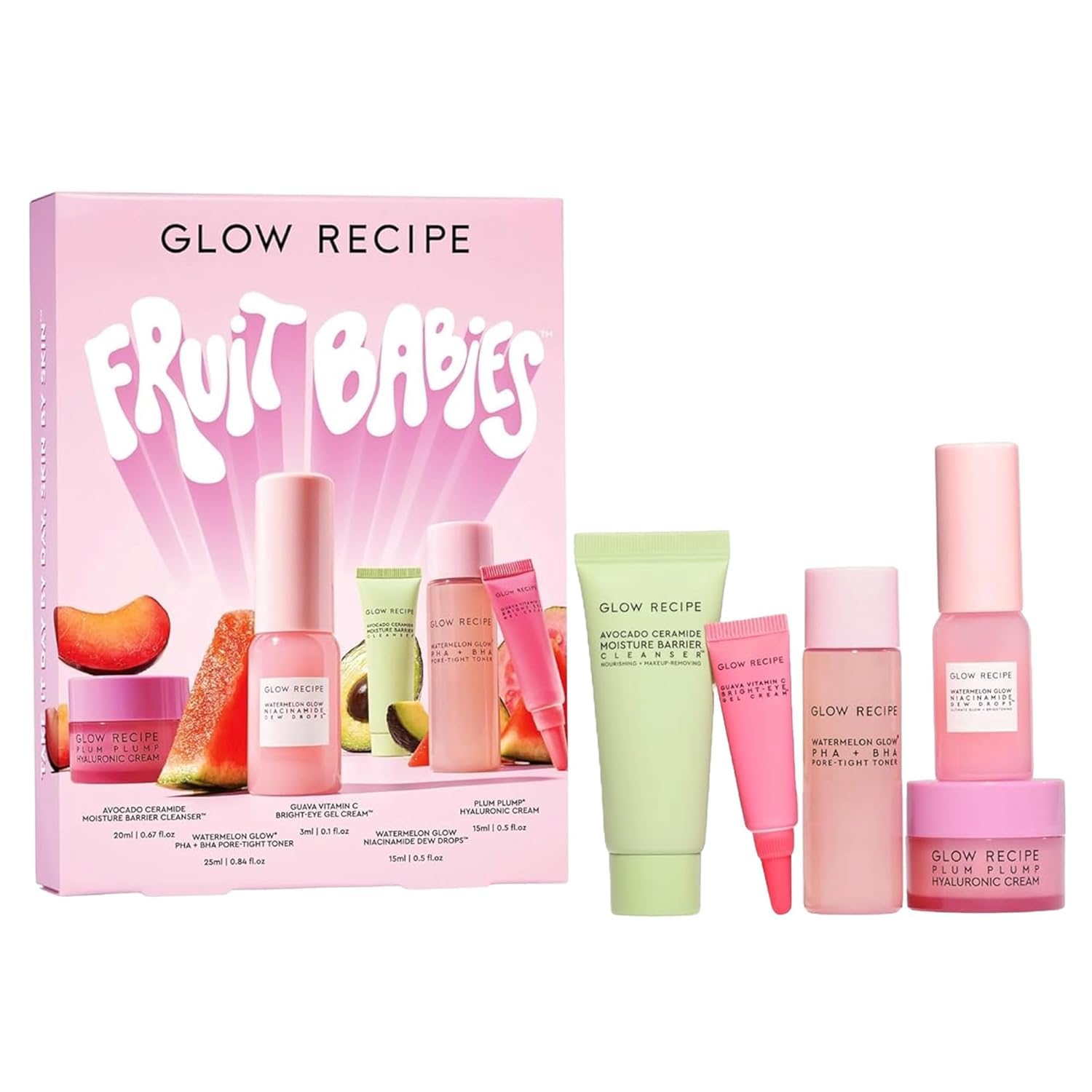
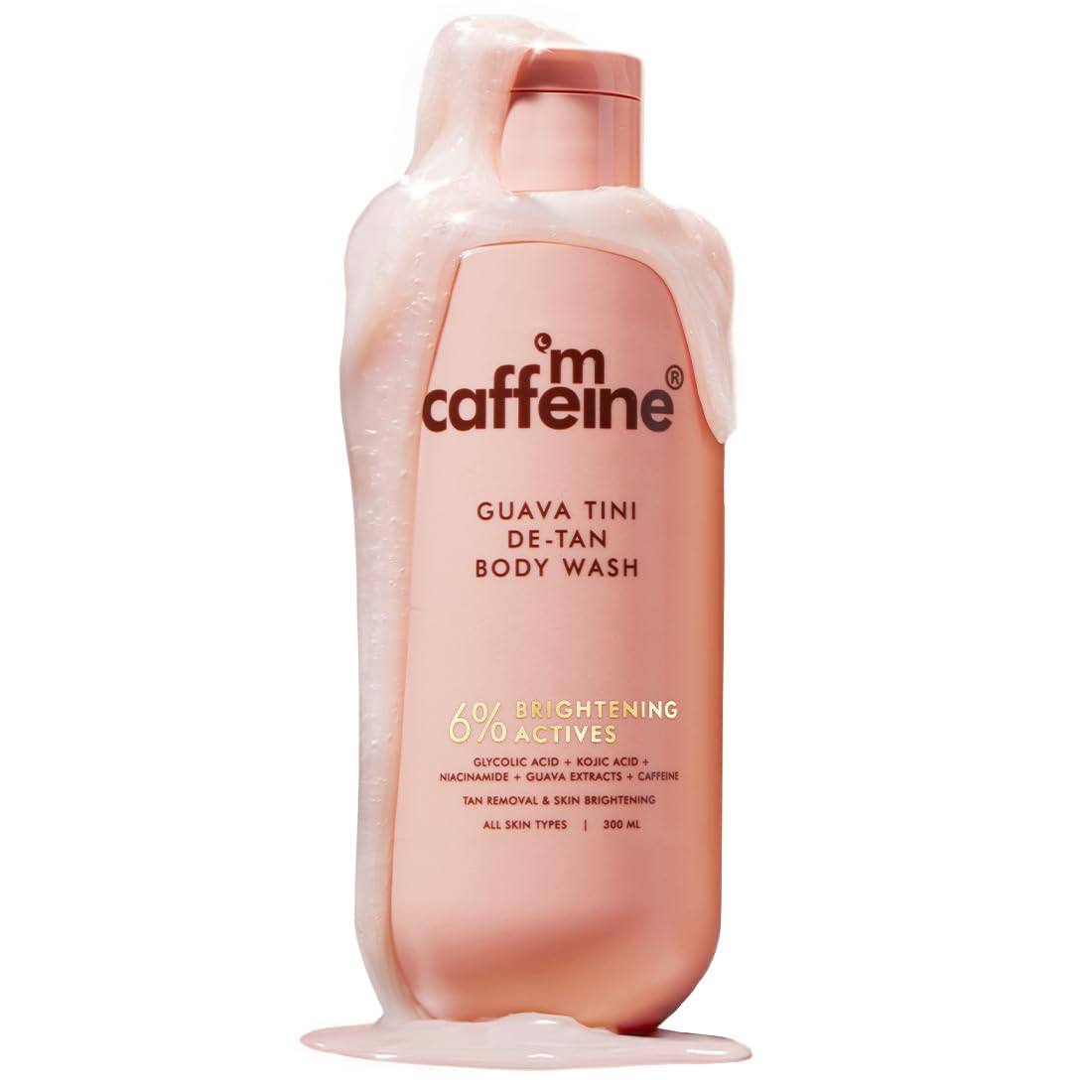
If you have Indian skin (Fitzpatrick III–V), you know the struggle: every pimple, every scratch, every rash leaves behind a dark spot that hangs around for months. This is post-inflammatory hyperpigmentation (PIH) — and it is not your fault. Melanin-rich skin produces more pigment in response to any inflammation or injury. The good news: the right routine with proven ingredients can fade these marks significantly in 8–16 weeks. And you do not need to spend a fortune.
TL;DR — Quick Summary
✓Dark spots in Indian skin = post-inflammatory hyperpigmentation (PIH). Very common, very treatable
✓Core routine: Vitamin C (AM) + Alpha Arbutin or Niacinamide (PM) + SPF 50 (non-negotiable)
✓SPF is 70% of the solution — without it, every other product is wasted money
✓Full routine under ₹1,500: cleanser + Vitamin C + alpha arbutin + moisturiser + sunscreen
✓Results timeline: 4 weeks for glow, 8 weeks for visible fading, 12–16 weeks for significant improvement
✓Do NOT use lemon juice, toothpaste, or raw turmeric as DIY treatments — they cause more damage
Why Indian Skin Gets Dark Spots So Easily
Indian skin sits in the Fitzpatrick III–V range, which means melanocytes (pigment-producing cells) are more active and responsive. Any trigger — acne, a mosquito bite, waxing irritation, sun exposure, even friction from a face mask — can send melanocytes into overdrive, depositing excess melanin in the surrounding skin.
This is not a flaw. Higher melanin is actually protective — Indian skin ages slower, wrinkles later, and is more resistant to UV damage than lighter skin types. The trade-off is that inflammatory events leave visible marks that take longer to resolve naturally. Understanding this biology is the first step: you are not trying to change your skin, you are just helping it clear the excess pigment faster.
Old injury marks — scars from cuts, burns, chicken pox
ℹ️
Important distinction: PIH (flat dark marks) vs actual scars (textured, indented). This routine targets PIH — the brown/dark marks on the surface. If you have pitted/indented acne scars (ice-pick or boxcar), those require professional treatments like micro-needling or fractional laser. Topical products alone cannot fill in textured scars.
The 5 Proven Ingredients That Fade Dark Spots
Not all brightening ingredients are equal. Here are the five with the strongest clinical evidence, ranked by effectiveness for Indian skin tones specifically:
The most-studied brightening ingredient in dermatology. Vitamin C is an antioxidant that inhibits the enzyme tyrosinase (required for melanin production), neutralises free radicals from UV and pollution, and boosts collagen synthesis. Use it in the morning — it enhances your sunscreen's UV protection.
Best forms: L-Ascorbic Acid (10–20%) for maximum potency, or Ethyl Ascorbic Acid (more stable, less irritating)
pH matters: L-AA serums should be pH 3–3.5. If the serum does not sting slightly on first use, the pH may be too high to be effective
Oxidation risk: Vitamin C oxidises (turns brown/orange) when exposed to air and light. Buy small bottles (15–30ml) and use within 2–3 months
Best budget pick: Minimalist 10% Vitamin C Serum — ₹349, uses Ethyl Ascorbic Acid (stable), gentle enough for beginners
Alpha arbutin is a biosynthetic derivative of hydroquinone — it inhibits melanin production at the source but without the side effects that make hydroquinone controversial. It is gentle, stable, and works beautifully on Indian skin tones without the risk of causing paradoxical darkening.
Effective concentration: 1–2% in serums
Mechanism: Blocks tyrosinase activity (same pathway as Vitamin C, different mechanism — they stack well)
Safe for long-term daily use — no sensitisation or rebound pigmentation
Best budget pick: Minimalist 2% Alpha Arbutin Serum — ₹349, 30ml. Combines with hyaluronic acid for hydration
Already covered in detail in our salicylic acid vs niacinamide guide, but worth repeating here: niacinamide at 5–10% concentration reduces melanin transfer from melanocytes to surrounding skin cells. It does not stop melanin production (like Vitamin C and arbutin do) — it reduces how much of that melanin actually reaches the surface.
Unique mechanism: Blocks melanosome transfer (melanin transport), complementing ingredients that block production
Kojic acid is derived from fungi (specifically from the fermentation process used to make sake and soy sauce). It is a potent tyrosinase inhibitor that has been used in Japanese and Korean skincare for decades. Particularly effective for stubborn patches of pigmentation that have not responded to Vitamin C alone.
Best form: Kojic acid soap or serum at 1–2%
Caution: Can cause contact dermatitis in sensitive skin — always patch test first
Pro tip: Kojic acid soap is extremely affordable in India (₹99–199 per bar) and works well as an evening cleanser for pigmented areas
Combines well with: Alpha arbutin and niacinamide for triple-pathway pigment suppression
This is not optional — it is the single most important step in any dark spot routine. UV radiation directly stimulates melanin production. Every minute of unprotected sun exposure undoes hours of work your serums are doing. Even indoor UVA rays (through windows) can maintain pigmentation.
Minimum: SPF 30 with PA+++ rating. Recommended: SPF 50 PA++++ for Indian conditions
Type: Mineral (zinc oxide/titanium dioxide) leaves less white cast on dark skin. But newer chemical sunscreens from Indian brands have fixed the white-cast problem
Amount: Half a teaspoon for face + neck (2 finger-lengths). Most Indians under-apply by 50–70%
Reapply: Every 2–3 hours if outdoors. At minimum, reapply once at lunchtime if you work near windows
Without SPF, the rest of your routine is burning money. Vitamin C, arbutin, and niacinamide cannot out-pace the melanin production triggered by daily UV exposure. SPF is 70% of the solution — everything else is the remaining 30%.
The Complete Budget Dark Spots Routine (Under ₹1,500)
Here is a complete, dermatologist-aligned routine using products available on Amazon India. Total cost: approximately ₹1,200–1,500 for a full 2-month supply.
Morning Routine
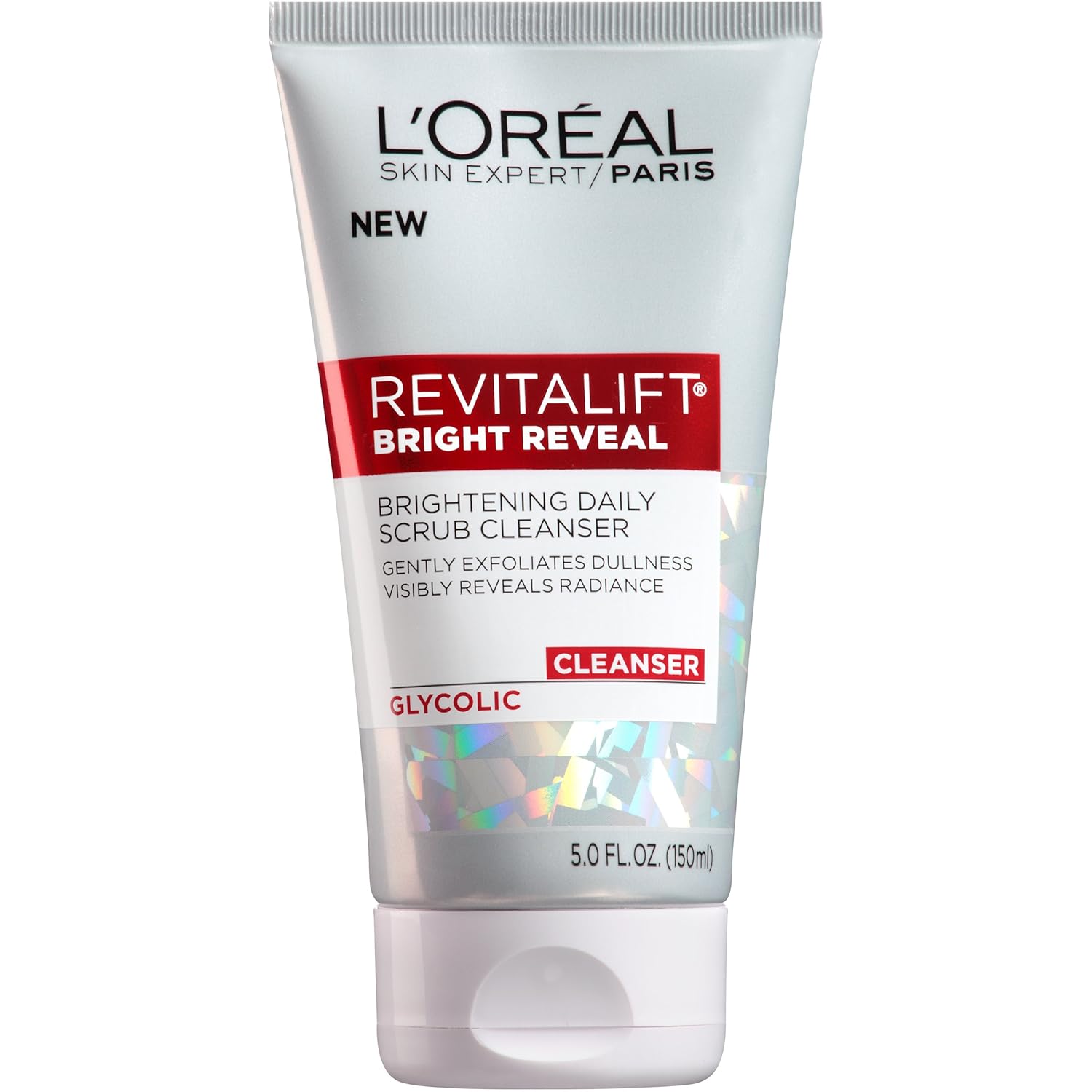
Step 1 — Gentle Cleanser: Simple Kind to Skin Moisturising Facial Wash (₹275, 150ml) or Cetaphil Gentle Skin Cleanser (₹255, 125ml). DO NOT use a harsh foaming cleanser — you are not trying to strip your skin
Step 2 — Vitamin C Serum: Minimalist 10% Vitamin C Serum (₹349, 30ml). Apply 4–5 drops to face and neck on damp skin. Wait 1–2 minutes to absorb
Step 3 — Moisturiser: Minimalist Sepicalm + Oat Moisturiser (₹299, 50g) or Neutrogena Oil-Free Moisturiser (₹250, 118ml). Important even for oily skin — Vitamin C can be mildly drying
Step 4 — Sunscreen: Minimalist SPF 50 Sunscreen (₹399, 50g). Apply 2 finger-lengths. Non-negotiable — this is the most important product in your entire routine
Night Routine
Step 1 — Cleanser: Same gentle cleanser as morning. Double cleanse if wearing sunscreen: micellar water first, then cleanser
Step 2 — Treatment Serum: Minimalist 2% Alpha Arbutin Serum (₹349, 30ml). Apply 4–5 drops. Targets pigmentation while you sleep when melanocytes are most active
Step 3 — Niacinamide Serum: Minimalist 10% Niacinamide (₹299, 30ml). Layer on top after arbutin absorbs. Controls oil and reduces melanin transfer
Step 4 — Moisturiser: Same as morning. Lock in actives and support barrier repair overnight
💡
Budget hack: If ₹1,500 is still stretching your budget, prioritise in this order: (1) Sunscreen — non-negotiable, (2) Vitamin C serum — strongest evidence, (3) Alpha Arbutin or Niacinamide — pick one. You can build the full routine over 2–3 months as products run out.
Realistic Results Timeline
Set proper expectations. Topical skincare works, but it is not instant. Here is what to expect with consistent daily use:
Week 3–4: Existing dark spots start looking slightly lighter at the edges. New pimple marks fade faster than before
Week 6–8: Visible difference in spot intensity. Uneven tone starts to even out. This is where most people see the "before vs after" moment
Week 10–12: Significant fading of most PIH spots. Stubborn spots (hormonal, deep) continue improving but may need 16+ weeks
Week 16+: Plateau — remaining spots may need higher-strength treatments (prescription retinoid, professional chemical peel, or laser)
ℹ️
Quick math: Skin cell turnover takes ~28 days. Melanin pigment is deposited in the epidermis and takes multiple turnover cycles to fully clear. That is why 8–12 weeks is the minimum timeline for meaningful results — you are literally waiting for pigmented skin cells to be shed and replaced by newer, evenly-pigmented ones.
Product Alternatives by Budget
Not everyone wants to go all-Minimalist. Here are alternatives at different price points:
These are the most common errors we see in Indian skincare routines that actively worsen pigmentation:
Picking or squeezing pimples — the #1 cause of dark spots. Every squeeze = 2–3 months of PIH. Leave it alone or use a pimple patch
Skipping sunscreen indoors — UVA penetrates glass windows. If you sit near a window while working, you need SPF
Using lemon juice on skin — citric acid causes phytophotodermatitis (chemical burns + hyperpigmentation when exposed to sun). This desi nuskha causes more spots than it cures
Applying raw turmeric paste — causes contact dermatitis in many people and stains skin yellow, making spots look worse
Using skin-lightening creams with mercury or steroids — street-market "fairness" creams cause permanent damage including steroid-dependent rosacea. Only use products with ingredient lists from FSSAI-registered brands
Over-exfoliating — using glycolic acid, salicylic acid, AND retinol on the same night destroys your barrier and triggers rebound pigmentation
Switching products every 2 weeks expecting instant results — give each product a minimum 8-week trial before judging
⚠️
Critical safety note: Products labelled 'fairness cream' or 'skin whitening' that do not list their active ingredients may contain hydroquinone above 2%, mercury compounds, or potent steroids. These are either banned or prescription-only in India. Always read the ingredient list and buy from registered brands on Amazon or Nykaa, not from unverified sellers.
Ingredient Combos That Supercharge Results
These pairings have clinical evidence supporting enhanced efficacy when used together:
Vitamin C + Vitamin E + Ferulic Acid (morning) — the Skinceuticals holy trinity. Vitamin E and ferulic acid stabilise Vitamin C and double its photoprotective effect. Look for serums with all three (e.g., Minimalist Vitamin C 10%)
Alpha Arbutin + Niacinamide (night) — arbutin blocks melanin production, niacinamide blocks melanin transport. Two different pathways = faster clearing
Niacinamide + Hyaluronic Acid — niacinamide strengthens barrier while HA pulls in moisture. Perfect for dry skin types dealing with spots
Vitamin C (morning) + Retinol (night) — Vitamin C protects during the day, retinol accelerates cell turnover at night. Do NOT use both at the same time — use them in separate routines
Alpha Arbutin + Azelaic Acid — azelaic acid has unique anti-pigmentation properties AND treats acne. Double duty for acne-prone skin with PIH
When to See a Dermatologist
Topical OTC products have limits. See a dermatologist if:
Dark spots have not improved after 16 weeks of consistent SPF + treatment serum use
Pigmentation is getting progressively darker despite sun protection
You suspect melasma — symmetrical patches on both cheeks that worsen with heat and hormonal changes
You have deep acne scars (pitted, ice-pick, or rolling) that need in-clinic treatment
You are pregnant or breastfeeding and want prescription-grade pigmentation treatment
Any spot that is new, irregularly shaped, changing colour, or growing — get it checked to rule out anything serious
Dermatologist treatments for stubborn pigmentation include: prescription tretinoin (0.025–0.05%), hydroquinone (2–4%, short-term prescribed use), chemical peels (glycolic/TCA), micro-needling, and Q-switched Nd:YAG laser. These are beyond OTC skincare but very effective for cases that plateau with topicals.
The Bottom Line
Fading dark spots on Indian skin is absolutely possible with affordable, science-backed products. The three non-negotiables are: SPF every single day (yes, even cloudy days and indoor days), one proven pigmentation-fighting active (Vitamin C or alpha arbutin), and patience (minimum 8 weeks before judging results).
The complete routine we outlined costs under ₹1,500 for a 2-month supply — less than one professional facial that delivers temporary results. Your at-home routine delivers compounding, permanent improvements when done consistently.
Start today. Apply your sunscreen tomorrow morning. Pick one serum this week. Twelve weeks from now, your skin will thank you.